Training Name: Artificial Intelligence in Human Resource Management
Mode of Training: Offline / Live Virtual
This three-day Artificial Intelligence in HR training program equips HR professionals with practical skills to apply AI across key HR functions, including recruitment, onboarding, performance management, and employee development. Participants will learn how to use AI tools for process automation, data-driven decision-making, and improved employee engagement, while also understanding the ethical and responsible use of AI in HR. Through interactive sessions, hands-on exercises, and case studies, the course prepares participants to implement AI-driven solutions that enhance efficiency, reduce bias, and strengthen organizational competitiveness.
Who Should Attend:
HR Managers, Talent Acquisition Specialists, HR Directors, Recruitment Managers, Learning and Development Managers, HR Analysts, Employee Experience Managers, HR Business Partners, Workforce Planning Managers
BII Trainer
A highly experienced HR professional with over 20+ years of expertise in recruitment, employee relations, leadership development, and compensation management. With a strong background in Organizational and Labour Psychology, the trainer brings a strategic approach to driving organizational growth across international environments.
A certified multilingual trainer (English, Portuguese, and Spanish), they have delivered 1000+ hours of training across various management levels, with a proven ability to adapt programs to diverse cultural settings.

Training Name: Artificial Intelligence in Finance
Mode of Training: Offline / Live Virtual

This 3-day training equips finance professionals to use AI tools like ChatGPT, Copilot, and Excel AI plugins to streamline financial analysis, cash flow management, budgeting, and forecasting. Through practical exercises and realworld case studies, participants learn to analyze data faster, generate insights, and automate routine tasks. The program delivers ready-to-use templates and workflows that can be immediately applied in corporate, government, and industrial finance roles.
Who Should Attend
CFOs, Finance Managers, Controllers, Treasurers, Accounting Managers, Cost Accountants, Auditors, Compliance Officers, Financial Planners, Risk Managers, Financial Analysts, Investment Analysts, Budget Analysts
BII Trainer
A seasoned finance trainer and coach with over 25+ years of global experience, the trainer has delivered high-impact programs for leading institutions such as BlackRock, Deutsche Bank, Goldman Sachs, and HSBC. With a strong foundation as a Chartered Accountant (ACA) and CFA Claritas certified professional, they specialize in areas including financial analysis, corporate finance, risk management, and investment strategies. Having conducted training across Europe, Asia, the Americas, and Oceania, the trainer is known for delivering practical, results-driven learning tailored to professionals at all levels.
Training Name: Artificial Intelligence for Smart Maintenance & Reliability Transformation
Mode of Training: Offline / Live Virtual
This intensive 3-day program explores how artificial intelligence (AI) enhances maintenance and reliability practices in industrial operations. Participants will learn to apply AI-driven predictive analytics, automation, and data-based decision-making to reduce downtime, improve asset life, and optimize performance.
The training includes hands-on use of tools such as n8n, Make, Microsoft Azure, and Pinecone to automate key reliability and maintenance activities, including:
- Failure Mode, Effects, and Criticality Analysis (FMECA)
- Root Cause Analysis (RCA)
- Preventive Maintenance (PM) tasks
- Weibull reliability analysis
Who Should Attend:
This program is designed for professionals in maintenance, reliability engineering, operations,and asset management seeking to leverage AI to optimize maintenance and reliability processes.
Maintenance engineers and managers, Reliability analysts and specialists, Industrial operations leaders, Professionals with basic knowledge of maintenance concepts (FMECA, RCA, PM); no advanced AI expertise required
BII Trainer
A highly experienced industry expert with extensive global exposure across asset-intensive sectors, the trainer specializes in driving strategic improvements in maintenance, reliability, and asset management. Having worked as a Principal Consultant for multinational organizations across oil & gas, power, water, pharmaceuticals, and manufacturing, they bring deep expertise in optimizing operations and identifying inefficiencies. With a strong background in asset management roles at leading organizations and contributions to industry education, the trainer is known for delivering practical, data-driven solutions that enhance performance and generate significant cost savings.
Training Name: Advanced Compensation and Benefits
Mode of Training: Offline / Live Virtual
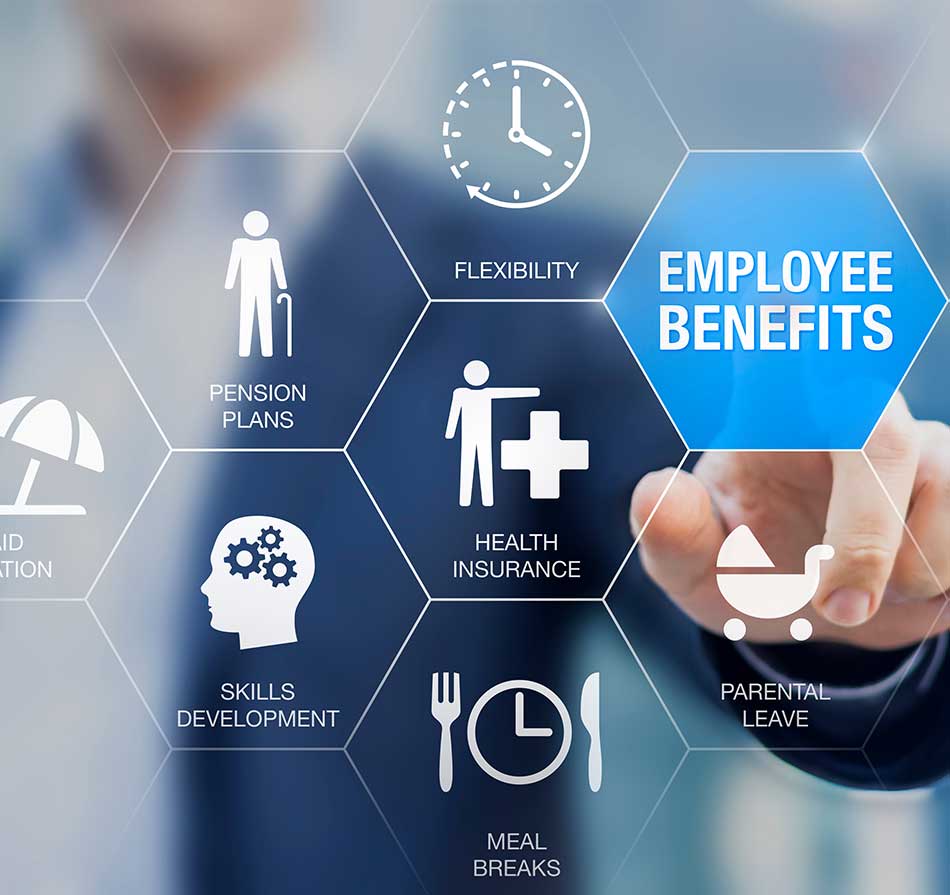
The Advanced Compensation and Benefits training program is designed to equip HR professionals with the knowledge and tools to design, implement, and manage competitive and compliant compensation structures. The program covers key areas such as salary benchmarking, incentive design, benefits strategy, pay equity, and regulatory compliance, enabling organizations to attract, retain, and motivate top talent while aligning rewards with business objectives.
Who Should Attend
HR Managers, Compensation & Benefits Specialists, Payroll Managers, HR Business Partners, Talent Management Professionals, Reward Analysts, Finance Managers, and Organizational Development Professionals
BII Trainer
A seasoned HR expert with over 25 years of global experience in compensation, benefits, and total rewards strategy, the trainer has worked with leading organizations across multiple industries to design competitive and performance-driven reward frameworks. With deep expertise in salary structuring, incentive planning, and regulatory compliance, they are known for delivering practical, business-focused training that helps organizations optimize their compensation strategies and enhance employee engagement.
Training Name: Advanced Financial Modelling for Cost Control and Budgeting
Mode of Training: Offline / Live Virtual
In today’s data-driven finance environment, financial modelling has become a vital skill for professionals involved in cost control, budgeting, and strategic planning. Effective models empower decision-makers to simulate scenarios, optimize resource allocation, and measure performance with precision.
This intensive 3-day training equips participants with advanced financial modelling techniques specifically designed for cost control and budgeting applications. Through hands-on Excel-based exercises and real-life case studies, participants will build dynamic models for operational planning, capital budgeting, cost analysis, variance forecasting, and sensitivity testing.
The program emphasizes structure, transparency, and flexibility in model design to support efficient and accurate financial planning. This course is ideal for finance professionals seeking to enhance their analytical capabilities, streamline their budgeting processes, and provide stronger financial insights to support executive decision-making.
Who Should Attend
Chief Financial Officer (CFO), Finance Manager, Financial Analyst, Financial Controller, Treasurer, Financial Planner, Risk Manager, Accounting Manager, Investment Analyst, Budget Analyst, Auditor, Compliance Officer, Cost Accountant, Corporate Controller
BII Trainer
A highly accomplished finance expert with over 30 years of global experience in financial modelling, cost control, and budgeting, the trainer has worked with leading organizations across multiple industries to design robust financial strategies and optimize business performance. With deep expertise in financial planning, forecasting, variance analysis, and advanced modelling techniques, they bring a practical, results-driven approach to training. Known for delivering impactful programs, the trainer helps professionals enhance decision-making, improve cost efficiency, and build dynamic financial models aligned with organizational goals.

Training Name: Cost Engineering Training Program
(Pathway to CCP®, CCT®, and CEP® Certification (AACE)
Mode of Training: Offline / Live Virtual

This training program combines interactive lectures with hands-on practical exercises, enabling participants to apply concepts directly to real-world scenarios. To maximize learning outcomes, participants are encouraged to dedicate approximately 8–14 hours of self-study alongside the scheduled sessions.
Participants will gain practical skills in applying cost engineering principles across the project lifecycle, including capital budgeting, financial analysis, cash flow modeling, and project evaluation techniques. The program also covers cost estimation, risk and contingency planning, Earned Value Management (EVM), performance monitoring, and cost control—while strengthening readiness for CCP®, CCT®, and CEP® certification exams.
Who Should Attend
This program is designed for professionals involved in project planning, financial evaluation, cost management, and performance control, including:
Cost engineers and cost estimators, Project managers and project controls professionals, Planning and scheduling engineers, Finance and investment analysts involved in capital projects, Contract, procurement, and commercial managers, Engineers and technical professionals seeking CCP®, CCT®, or CEP® certification
BII Trainer
BII Trainer is a highly accomplished expert with over 25 years of global experience in project management, cost engineering, and performance management systems. Holding a Ph.D. in Management Sciences, he has delivered executive-level training and consulting for multinational corporations, government bodies, and large-scale projects across industries such as energy, infrastructure, and defense.
An internationally recognized specialist in Earned Value Management (EVM), he has contributed to global standards including the PMBOK® Guide and ISO 21512. A certified PMP® and renowned speaker, he brings a strong blend of practical expertise, global insights, and hands-on training excellence to every session.
Training Name: Advanced Maintenance Leadership & Transformation
Mode of Training: Offline / Live Virtual
Achieving maintenance excellence is essential for ensuring reliable equipment operation, minimizing downtime, and improving overall efficiency. This course equips maintenance supervisors with the skills and knowledge needed to effectively lead teams and enhance maintenance performance.
Participants will learn key concepts such as proactive maintenance strategies, reliability fundamentals, preventive maintenance practices, planning and scheduling, and the use of predictive maintenance techniques. The program also covers practical tools like root cause analysis and workflow optimization to support real-world application.
By the end of the course, participants will be able to improve operational performance, support continuous improvement, and align maintenance activities with organizational goals to achieve sustainable results and reduced costs.
Who Should Attend
Maintenance Managers, Maintenance Supervisors, Maintenance Engineers, Maintenance Planners, Reliability Managers Plant Managers, Manufacturing Managers, Production Managers, Operations Managers, Project Managers.
BII Trainer
A highly experienced industry expert with extensive global exposure across asset-intensive sectors, the trainer specializes in driving strategic improvements in maintenance, reliability, and asset management. Having worked as a Principal Consultant for multinational organizations across oil & gas, power, water, pharmaceuticals, and manufacturing, they bring deep expertise in optimizing operations and identifying inefficiencies. With a strong background in asset management roles at leading organizations and contributions to industry education, the trainer is known for delivering practical, data-driven solutions that enhance performance and generate significant cost savings.
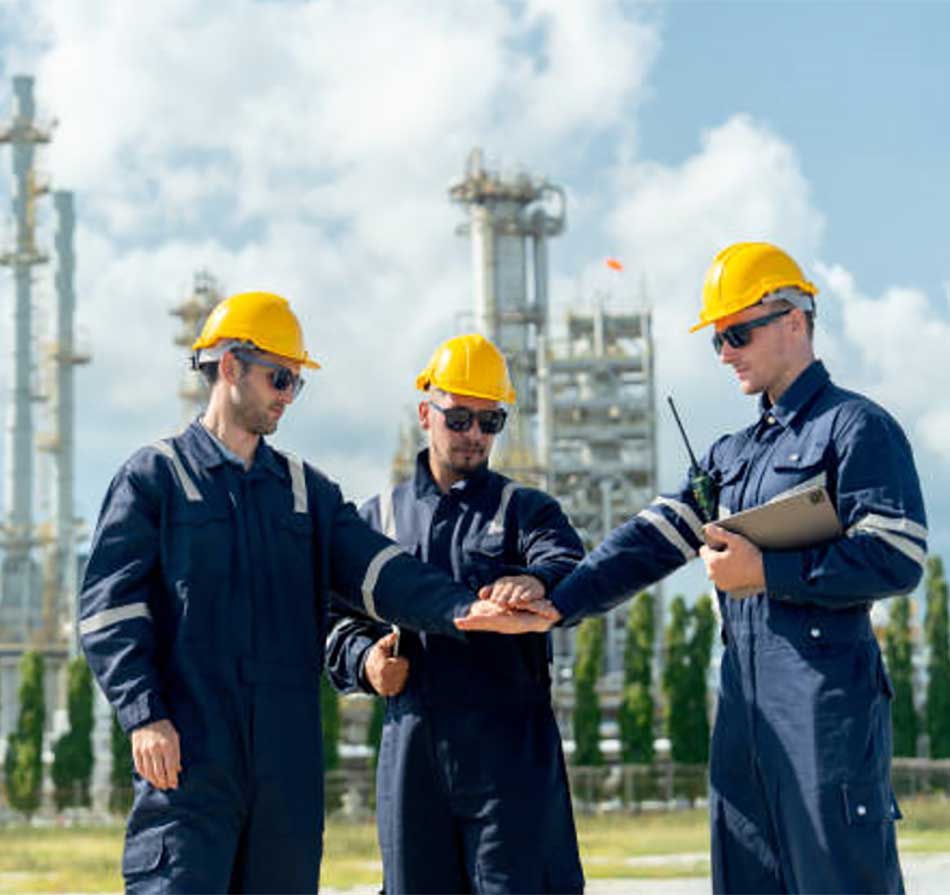
Training Name: FMEA & RCFA (Failure Mode & Effects Analysis & Root Cause Failure Analysis)
Mode of Training: Offline / Live Virtual
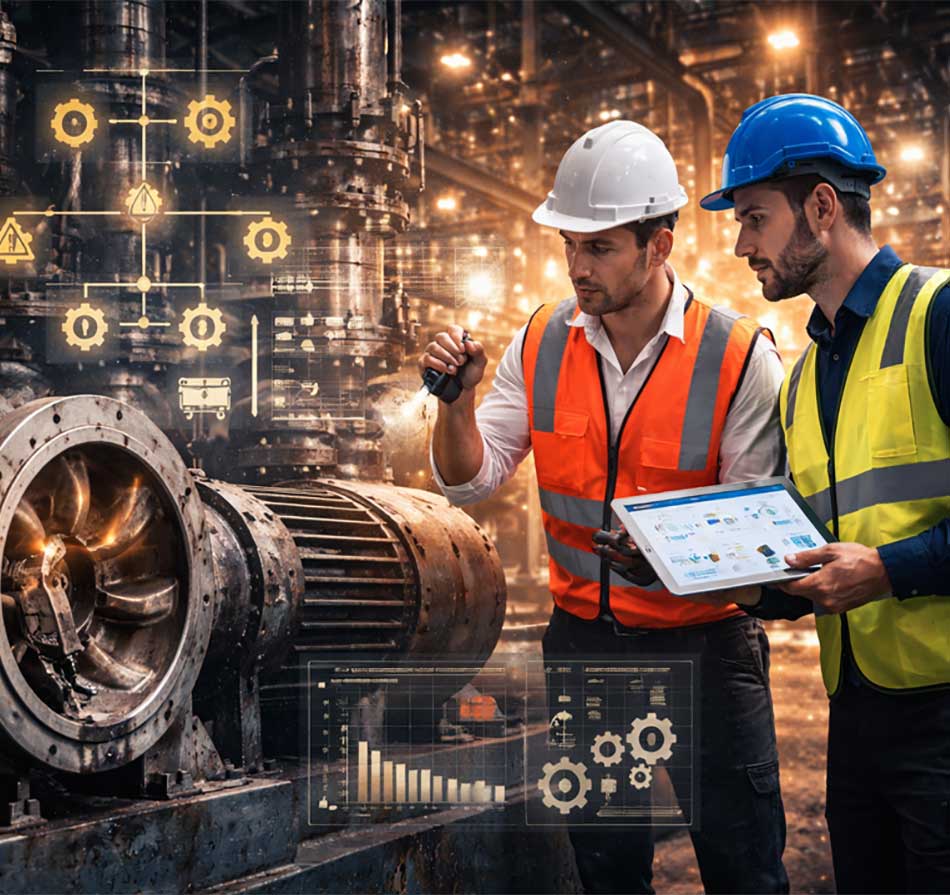
The FMEA & RCFA (Failure Mode & Effects Analysis & Root Cause Failure Analysis) program provides a structured approach to identifying, analyzing, and preventing equipment and process failures in industrial environments. Participants will learn how to proactively assess potential failure modes, evaluate their impact, and implement effective corrective and preventive actions.
The program combines practical methodologies with real-world case studies, enabling participants to strengthen reliability, improve asset performance, reduce downtime, and enhance overall operational efficiency.
Who Should Attend
This program is designed for professionals involved in maintenance, reliability, and operations, including:
- Maintenance Engineers & Supervisors
- Reliability & Asset Management Professionals
- Production & Operations Engineers
- Mechanical, Electrical, and Instrumentation Engineers
- Quality & Continuous Improvement Teams
- Plant Managers and Technical Leaders
BII Trainer
A highly experienced industry expert with extensive global exposure across asset-intensive sectors, the trainer specializes in driving strategic improvements in maintenance, reliability, and asset management. Having worked as a Principal Consultant for multinational organizations across oil & gas, power, water, pharmaceuticals, and manufacturing, they bring deep expertise in optimizing operations and identifying inefficiencies. With a strong background in asset management roles at leading organizations and contributions to industry education, the trainer is known for delivering practical, data-driven solutions that enhance performance and generate significant cost savings.
Training Name: RCM – Reliability Centered Maintenance
Mode of Training: Offline / Live Virtual
The Reliability Centered Maintenance (RCM) program is designed to provide professionals with a structured and strategic approach to developing maintenance practices that ensure assets perform their intended functions safely, reliably, and cost-effectively. It introduces globally recognized RCM methodologies that help organizations move beyond traditional maintenance and adopt a more risk-based, performance-driven approach to asset management.
Participants will gain in-depth knowledge on identifying critical equipment, analyzing functional failures, and evaluating failure modes along with their consequences. The program also focuses on selecting the most appropriate maintenance strategies—whether preventive, predictive, condition-based, or corrective—based on operational priorities, risk levels, and cost considerations.
Through practical applications, real-world case studies, and hands-on methodologies, participants will learn how to optimize maintenance plans, improve asset reliability, reduce unplanned downtime, and enhance overall operational performance. The program ultimately supports better decision-making, alignment with business objectives, and long-term asset sustainability.
Who Should Attend
This program is ideal for professionals responsible for asset performance and maintenance strategy, including:
- Maintenance & Reliability Engineers
- Asset Management Professionals
- Operations & Production Engineers
- Mechanical, Electrical & Instrumentation Engineers
- Maintenance Planners & Supervisors
- Plant Managers and Technical Leaders
BII Trainer
A highly experienced industry expert with extensive global exposure across asset-intensive sectors, the BII trainer specializes in driving strategic improvements in maintenance, reliability, and asset management. Having worked as a Principal Consultant for multinational organizations across oil & gas, power, water, pharmaceuticals, and manufacturing, they bring deep expertise in optimizing operations, improving asset performance, and identifying inefficiencies.
With a strong background in asset management roles at leading organizations and contributions to industry education, the trainer is recognized for delivering practical, data-driven solutions. Their approach focuses on enhancing operational performance, improving reliability, and generating measurable cost savings for organizations.
Training Name: Reliability and Maintenance of Rotating Equipment
Mode of Training: Offline / Live Virtual
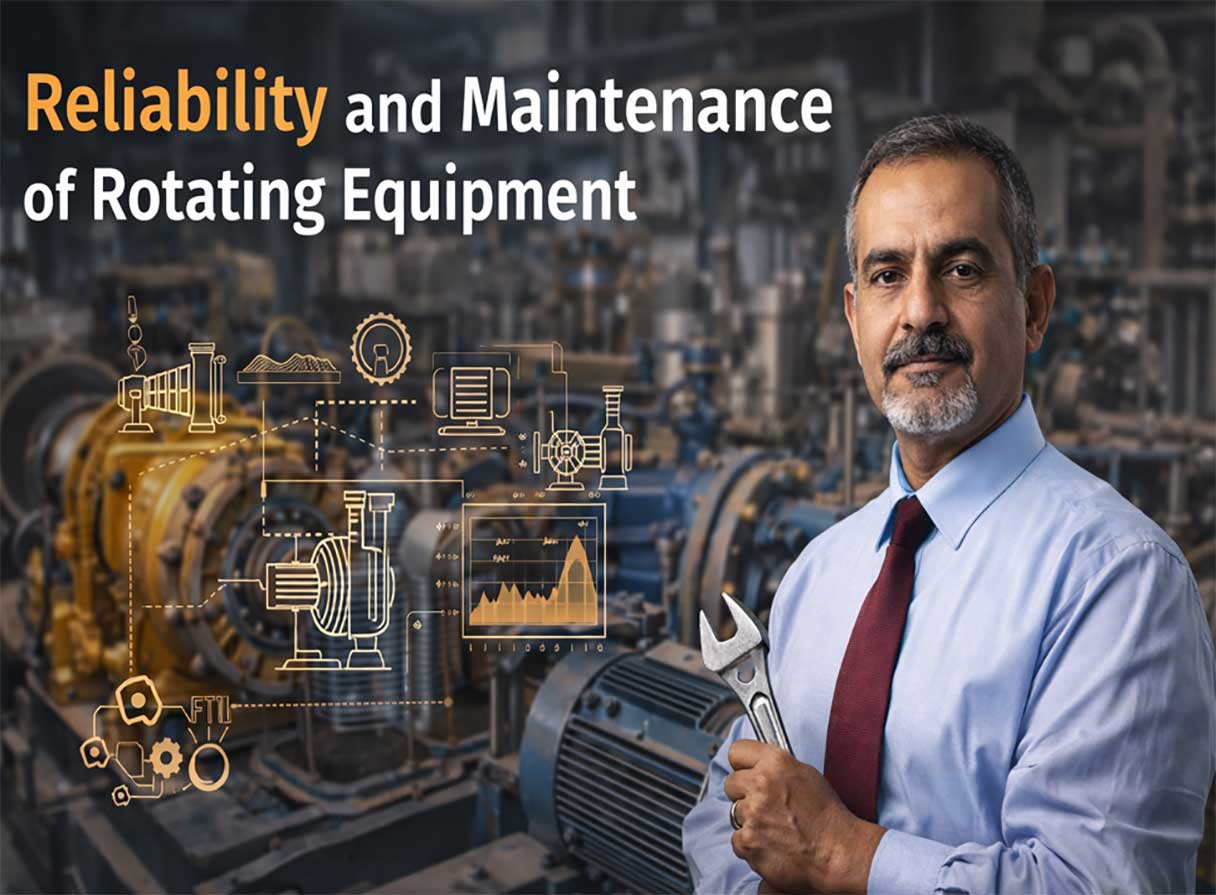
The Reliability and Maintenance of Rotating Equipment program is designed to provide a comprehensive understanding of the operation, maintenance, and reliability of critical rotating assets such as pumps, compressors, turbines, and motors. It focuses on enhancing equipment performance, minimizing failures, and ensuring continuous plant operations in asset-intensive industries.
Participants will gain practical insights into failure mechanisms, vibration analysis, condition monitoring, and maintenance best practices. The program also emphasizes predictive and preventive maintenance strategies, enabling organizations to move from reactive maintenance to a more proactive and reliability-driven approach.
Through real-world case studies and hands-on learning, the program equips participants with the ability to troubleshoot equipment issues, improve asset lifecycle performance, reduce downtime, and achieve higher operational efficiency and cost savings.
Who Should Attend
This program is ideal for professionals responsible for asset performance and maintenance strategy, including:
- Maintenance & Reliability Engineers
- Asset Management Professionals
- Operations & Production Engineers
- Mechanical, Electrical & Instrumentation Engineers
- Maintenance Planners & Supervisors
- Plant Managers and Technical Leaders
BII Trainer
BII Trainer is a highly experienced rotating equipment specialist with over 40 years of expertise in the oil & gas industry, specializing in machinery maintenance, vibration analysis, and reliability improvement. He holds a degree in Mechanical Engineering along with advanced technical qualifications in refrigeration and air conditioning.
With extensive hands-on experience in compressors, pumps, and critical rotating assets, he has played a key role in enhancing equipment reliability and operational efficiency across complex industrial environments. Known for his practical, application-focused approach, he brings deep technical knowledge and real-world insights, enabling participants to effectively diagnose failures, optimize maintenance strategies, and improve overall asset performance.
Training Name: WEIBULL ENGINEERING WORKSHOP (WEW)
Mode of Training: Offline / Live Virtual
The Weibull Analysis program provides a comprehensive and structured introduction to one of the most powerful statistical tools used in reliability engineering and failure analysis. Over the course of three days, participants will build a strong foundation in Weibull analysis, beginning with core principles, data preparation, and the step-by-step process of performing analysis. Emphasis is placed on understanding how to interpret results effectively to support reliability improvement and informed decision-making.
As the program progresses, participants will explore more advanced applications of Weibull analysis, including the use of multiple distributions and complex modeling techniques. Through the use of specialized Weibull analysis software, participants will gain hands-on experience in conducting real-world analyses, enabling them to confidently apply these techniques within their own operational environments. Practical exercises and class problems are integrated throughout the program to reinforce learning and ensure a deep understanding of concepts.
The course also focuses on applying Weibull analysis for strategic decision-making, including risk forecasting, reliability prediction, renewal planning, and optimal component replacement strategies. Supported by real-life case studies, participants will learn how to translate analytical insights into actionable maintenance and asset management decisions. By the end of the program, participants will be fully equipped with the knowledge and practical skills required to independently perform and interpret Weibull analyses in their respective industries.
Who Should Attend
Engineers responsible for reliability, safety, supportability, maintainability, materials, warranty, life cycle cost, design, structures, instrumentation, and logistics will find these Weibull techniques extremely useful.
BII Trainer
BII Trainer is a highly experienced engineering professional with extensive expertise in aircraft systems, reliability engineering, and advanced statistical analysis. With over 16 years of experience in aerospace engineering, he has led and supported critical projects involving fly-by-wire flight control systems, actuation technologies, and high-performance mechanical systems for major global organizations. His background includes both technical and management responsibilities across complex development, testing, and deployment programs.
In addition to his engineering career, he brings over 25 years of experience in software development, specializing in reliability and variability analysis tools. He has played a key role in developing widely used Weibull analysis software and contributing to industry-recognized methodologies that enhance reliability assessment and decision-making. A frequent trainer and speaker, he has delivered specialized workshops globally, combining deep technical knowledge with practical, application-focused learning.
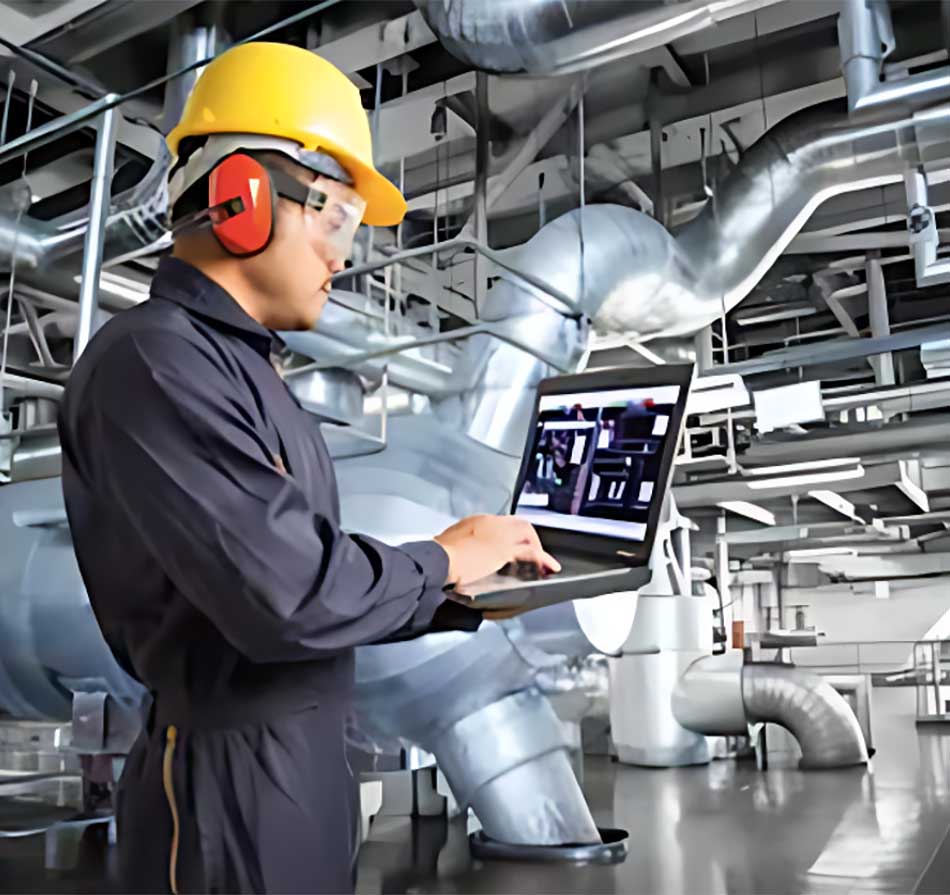
Training Name: Certified Asset Management Assessor (CAMA2)
Mode of Training: Offline / Live Virtual
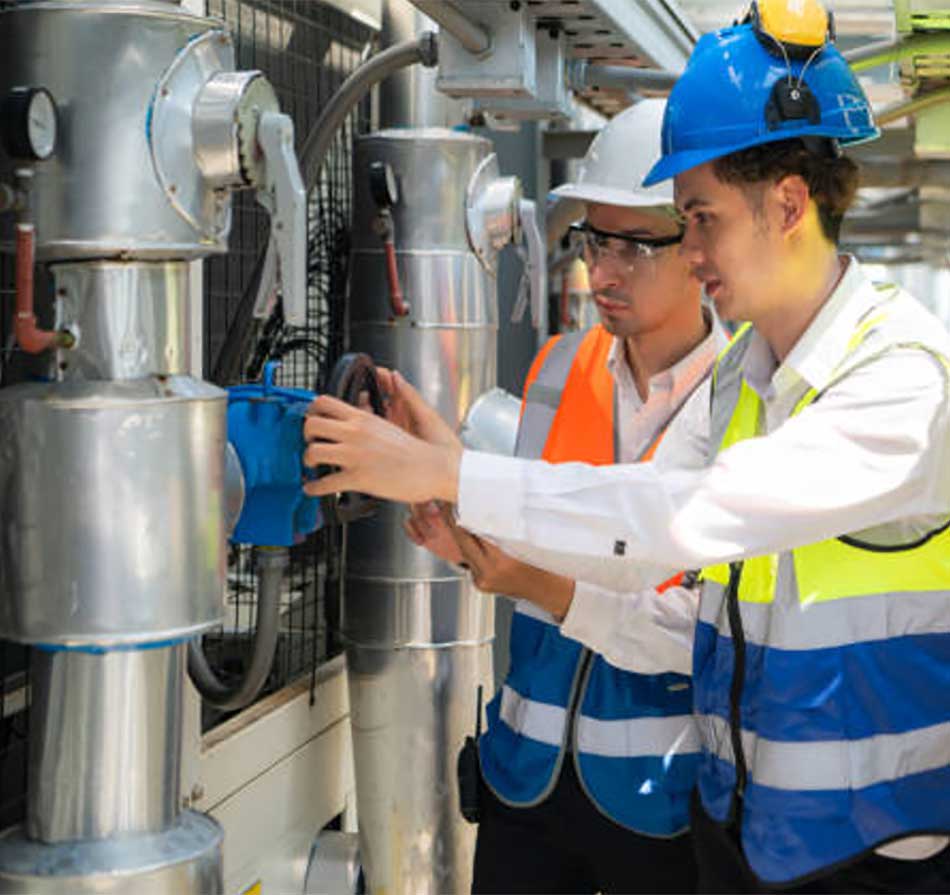
CAMA 2 is designed to help professionals master the latest updates in the Certified Asset Management Assessor (CAMA) certification. With the new CAMA 2 framework, this course offers comprehensive insights into modern asset management principles, incorporating advanced methodologies, data-driven decision-making, and sustainability practices that go beyond the original CAMA standard.
The primary objective of this course is to equip participants with the skills and knowledge necessary to successfully pass the WPiAM-CAMA 2.0 international exam. The course covers the competencies outlined in the “Competency Specification for an ISO 55001 Asset Management (AM) System Auditor/Assessor,” enabling delegates to effectively audit or assess an Asset Management System against ISO 55001 standards. Originating from the Global Forum on Maintenance and Asset Management (GFMAM), this certification goes beyond exam preparation, offering a broader understanding of asset management principles.
Who Should Attend
Asset Management : Asset Managers, Asset Operations Managers, Asset Planning Managers Asset Health Specialists, Asset Maintenance Specialists, Asset Services Managers, Asset Management Consultants, Principals in Asset Management
Maintenance and Reliability : Maintenance Managers, Maintenance Superintendents, Maintenance Planners, Reliability Managers, Reliability Engineers, Industrial Engineers, Maintenance Consultants
Maintenance and Reliability : Plant Managers, Operations Managers, Production Managers, Project Managers, Operation Excellence Managers
BII Trainer
BII Trainer is a highly accomplished industry expert with over 40 years of experience in frontline engineering and asset management, including 35 years in senior leadership roles across multi-billion-dollar projects worldwide. With extensive exposure across Africa, Australia, and the Middle East, he has successfully led large-scale operations and asset management functions, managing teams of over 3,000 professionals while driving operational excellence and performance optimization in asset-intensive industries.
Since transitioning into training and advisory, he has been actively involved in mentoring and developing professionals globally, delivering top-rated programs in asset management and operational leadership. Known for his practical, results-driven approach, he emphasizes a holistic, lifecycle-based asset management strategy, helping organizations prevent value leakage, enhance service delivery, and achieve long-term performance and efficiency gains.
Training Name: Process Analyzers & Sampling Systems
Mode of Training: Offline
In this course complete analyzer systems are discussed while special attention is given to applied sampling systems next to the main types and principles of currently applied Process Analyzers ranging from Physical Properties, online Chromatography, Water type analysis to Gas Detection systems while advantages and disadvantages are clarified with the aim to enhance the understanding the operational ranges and limitations of each type of analysis System.
80% to 90% of problems with Process Analyzers can be attributed to the sample conditioning system. The course starts by defining the system requirements and the problems that stand in the way of achieving them. Since every segment of the installation affects the reliability and accuracy of our analysis we then proceed with discussing in detail the complete system, starting with how the process can cause problems. After a review of hardware and the principles of phase preservation, we are given the rules for proper conditioning and how to keep the sample in a single phase and avoid contamination during sample conditioning or multiple stream analysis. Actual conditioning hardware and hands-on exercises are used to reinforce the learning process.
Who Should Attend
Anyone with an engineering background interested in understanding the fundamentals of designing, constructing, operating or maintaining sampling systems, including system and design engineers, chemists, integrators, highly trained technicians, and a wide array of industry professionals
Appropriate for training both new and experienced sampling system professionals.
BII Trainer
BII Trainer is a highly experienced professional with over 38 years of expertise in the analytical instrumentation field. Throughout his career, he has held a wide range of technical and leadership roles, including over two decades managing the day-to-day operations of multiple analyzer organizations as an owner and stakeholder. His extensive hands-on experience has enabled him to develop a deep understanding of operational excellence, system performance, and industry best practices.
In addition to his operational leadership, he has successfully managed analytical projects exceeding USD 125 million, demonstrating strong capabilities in handling complex, high-value initiatives. With over 25 years of experience in training and education, he has delivered specialized courses globally, both at academic institutions and for industry professionals. Known for his practical and application-focused approach, he brings valuable real-world insights that continue to benefit both participants and the wider industry.
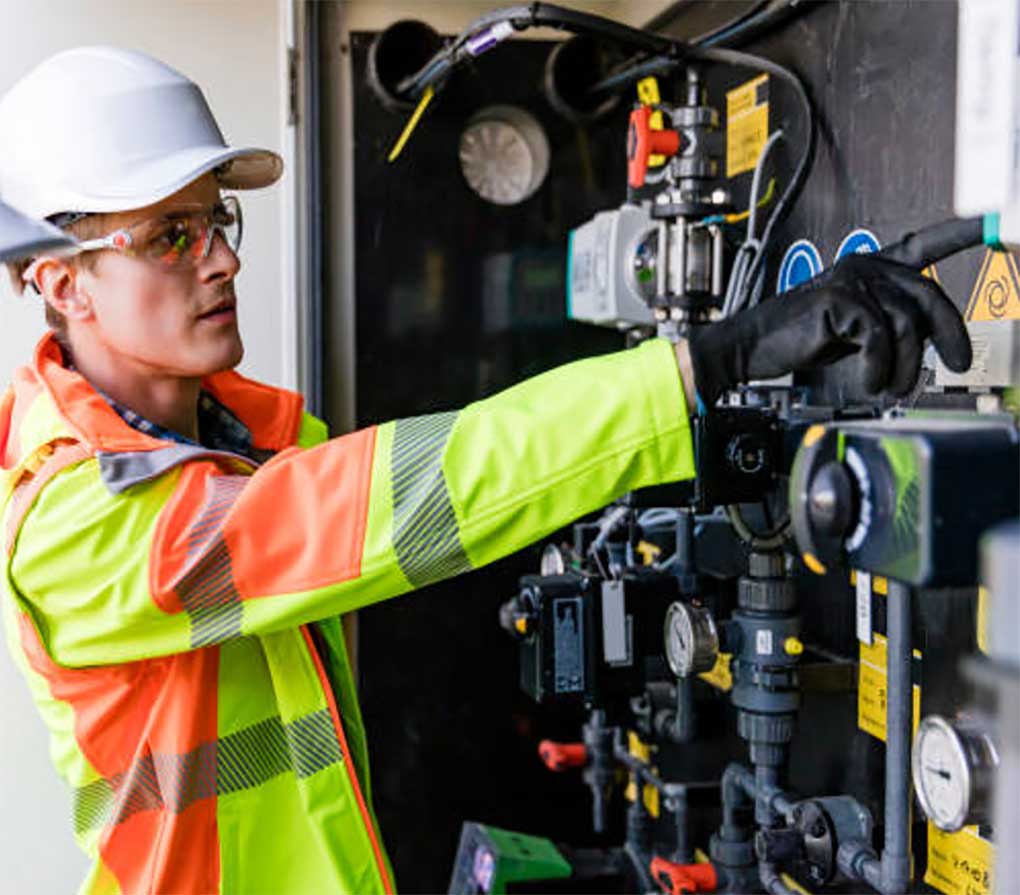
Training Name: NFPA 70E Electrical Safety
Mode of Training: Offline
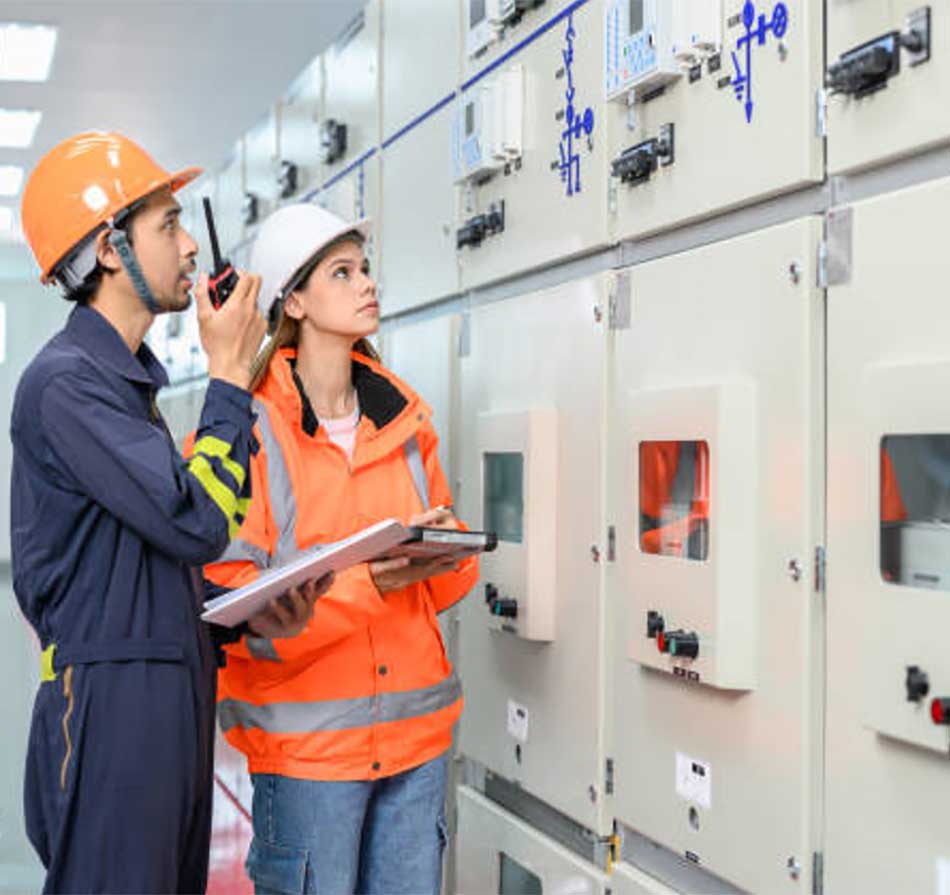
This advanced Electrical Safety Training Program is designed to equip professionals with essential knowledge and skills to ensure a safe working environment when dealing with electrical systems. Spanning 15 in-depth modules, the course covers critical areas such as the NFPA 70E Standard, electrical hazards including shock, arc flash, and fire, and the effects of electric current on the human body. Participants will learn practical methods for preventing electrical hazards, conducting shock and arc flash hazard analyses, and implementing effective electrical safety work practices.
The program also addresses specialized topics like electrical safety in hazardous environments, for non-electrical workers, and specific industries such as healthcare and renewable energy. With hands-on training techniques, program management strategies, and continuous improvement practices, this course is essential for those responsible for electrical safety, ensuring compliance, reducing risks, and protecting both workers and equipment across various industries.
Who Should Attend
Electrical Engineers, Electrical Technicians, Industrial Electricians, Electrical Line Workers Substation Technicians, Electrical Safety Inspectors, Electrical Designers, Transmission and Distribution Engineers, Grid Technicians, Electrical Maintenance Supervisors Field Service Technicians Power Plant Operators, Control Room Operators, Utility Project Managers, Electrical Inspectors, Safety Officers
BII Trainer
BII Trainer is a highly experienced international expert with over 40 years of expertise in fire safety, electrical code compliance, and building inspections. He has extensive experience in applying and lecturing on the National Electrical Code, conducting detailed inspections for federal government properties, and ensuring compliance with electrical and safety standards. His work has significantly contributed to enhancing operational safety, regulatory compliance, and system reliability across various organizations.
With a strong background in fire safety and emergency response, he has developed and delivered comprehensive training programs on fire prevention, suppression, investigation, and building inspection for government bodies and private organizations. Having served as a Training Officer and later as an Investigator within the Fire Commissioner’s Office, he also provides consultancy on fire protection requirements. His expertise is further supported by globally recognized certifications and active involvement in leading fire and safety associations.
Training Name: Hazardous Waste Management
Mode of Training: Offline
The Hazardous Waste Management program is designed to provide participants with a comprehensive understanding of the safe handling, storage, transportation, and disposal of hazardous waste in compliance with environmental regulations and industry best practices. The program focuses on minimizing risks to human health and the environment while ensuring organizations meet legal and sustainability requirements.
Participants will gain practical knowledge on identifying different types of hazardous waste, understanding regulatory frameworks, and implementing effective waste management strategies. The training also covers risk assessment, emergency response planning, waste minimization techniques, and safe disposal methods, enabling organizations to improve compliance, reduce environmental impact, and enhance operational safety.
Who Should Attend
This program is ideal for professionals involved in environmental management, safety, and operations, including:
- HSE (Health, Safety & Environment) Professionals
- Environmental Engineers & Officers
- Waste Management & Sustainability Professionals
- Plant & Operations Managers
- Maintenance & Facility Engineers
- Compliance & Regulatory Officers
- Chemical & Process Engineers
BII Trainer
BII Trainer is an experienced environmental and safety expert with 25+ years of global experience in hazardous waste management, regulatory compliance, and environmental protection. With a strong background in working across industrial sectors such as oil & gas, manufacturing, and chemicals, the trainer brings practical insights into managing hazardous materials safely and efficiently.
Having delivered training and consultancy services to multinational organizations and government bodies, the trainer is known for a hands-on, application-focused approach. Their expertise lies in helping organizations strengthen compliance, reduce environmental risks, and implement sustainable waste management practices aligned with international standards.